In this article 6 sections
At a glance
- The starting point: build organic social media and paid social advertising from scratch for Mo’s Chinese #2.
- The work: consistent food content, professionally designed promotional posts, and paid campaigns focused on audience growth and website traffic.
- The outcome: reporting shows 286.9K views, 1.5K follows, and 8.1K Facebook link clicks; one paid traffic campaign delivered 747 link clicks from $94.20.
A restaurant’s social presence needs to do more than make people hungry. It needs to help them recognize the business, understand what makes a visit worthwhile, and know where to go next.
For Mo’s Chinese #2, BuzzFlow brought those pieces together: consistent organic content, professionally designed promotional graphics, and targeted paid social advertising. Starting the organic and paid social program from scratch, we built the work around what the restaurant could put in front of customers—its food, its offers, and its dine-in experience.
The starting point: build a presence with a purpose
The assignment was to establish organic social media and paid advertising for the restaurant. That meant creating more than a collection of isolated posts. The content needed a recognizable identity, reasons for people to pay attention, and clear next steps.
Our approach connected three jobs:
- Show the food. Give people a concrete sense of what they could order.
- Make the offer clear. Turn restaurant promotions into content people could understand while scrolling.
- Help people take action. Use calls to action and paid campaigns to support follows, visits to the Facebook page, and traffic toward online ordering.
Make the food the starting point
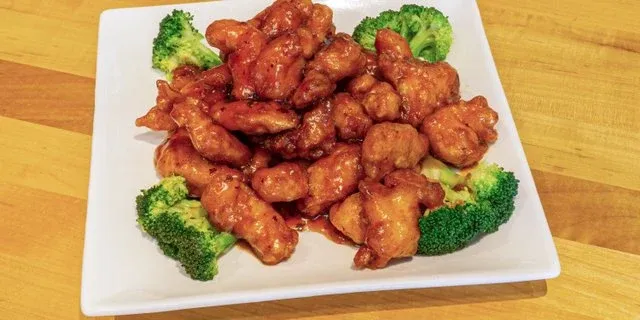
The restaurant’s dishes gave the content a natural focus. Food photography made the offering tangible, while designed posts added the context a dish photo cannot communicate by itself: the promotion, the timing, and how to order or visit.
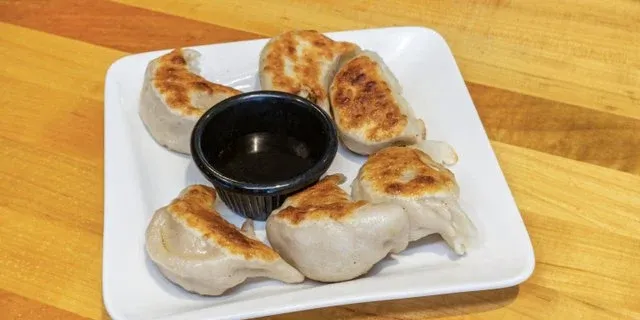
Potstickers from the restaurant’s supplied photo collection.
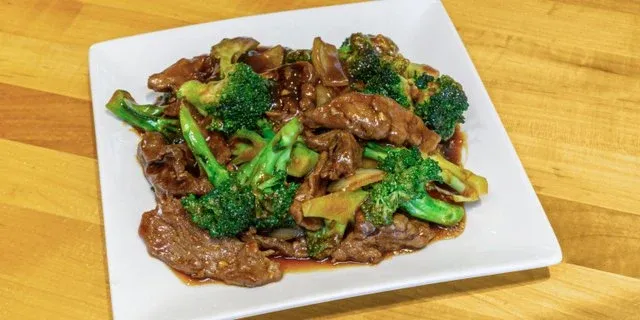
Beef and broccoli: another example of the food behind the marketing.
The value was in connecting that visual appeal to a useful message. An appetizing image gets attention; a clear offer gives someone a reason to consider the restaurant.
Turn restaurant offers into reasons to visit
The social graphics we published show how that approach worked in practice. Each paired a specific promotion with the restaurant’s branding and a way for customers to take the next step.
Happy hour: make the offer easy to understand
The happy-hour graphic led with “$2 bites,” showed the appetizer selection, and made the 3–5 PM dine-in window prominent. Ordering information, the phone number, and the address kept the practical details in the same post.
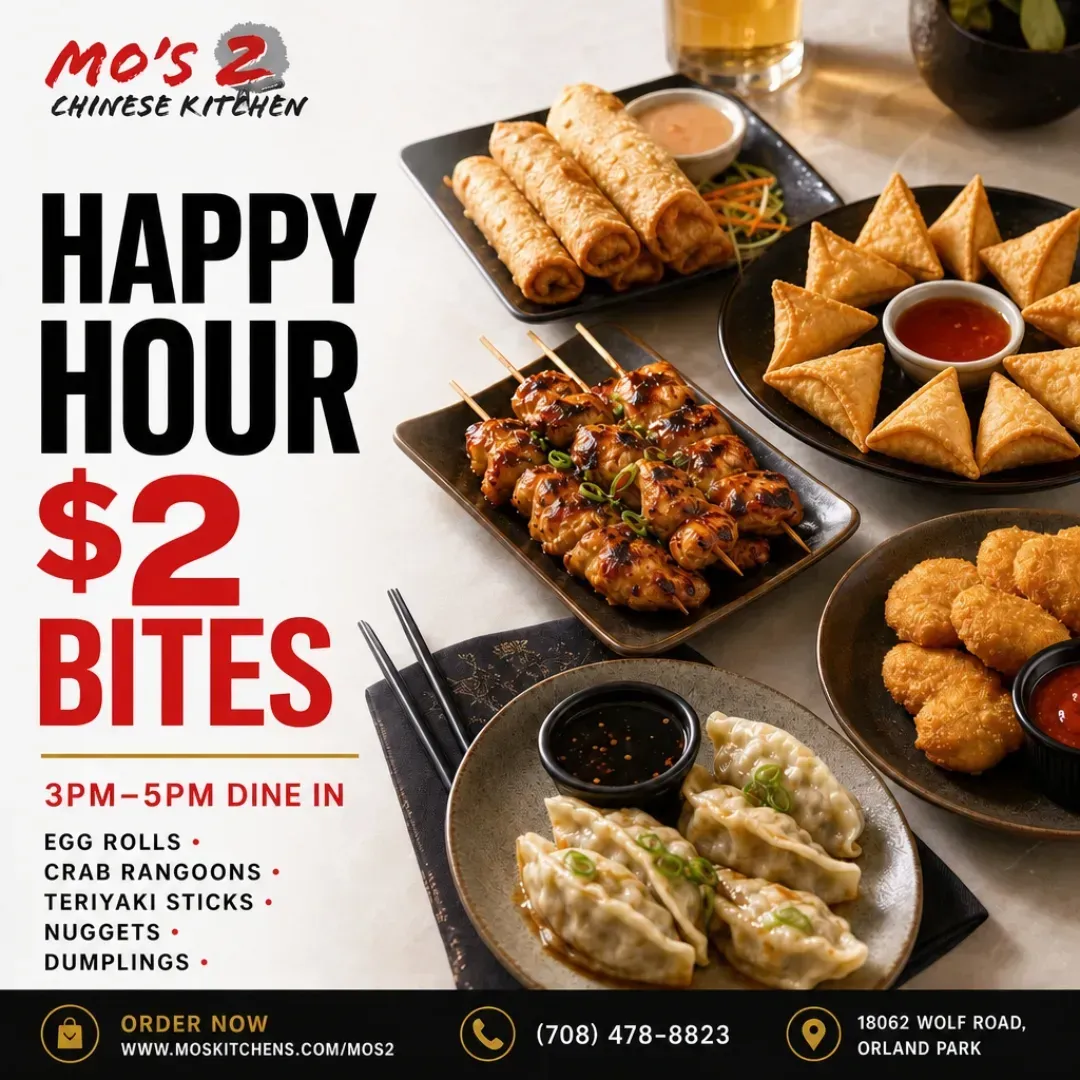
Published happy-hour creative: a specific price, a clear time window, and food at the center of the message.
Back to school: give families a timely reason to choose Mo’s
The back-to-school post used a different reason to visit: 50% off kids meals. The storefront connected the promotion to the physical restaurant, while the “Order Now” call to action and contact details gave the message a practical next step.
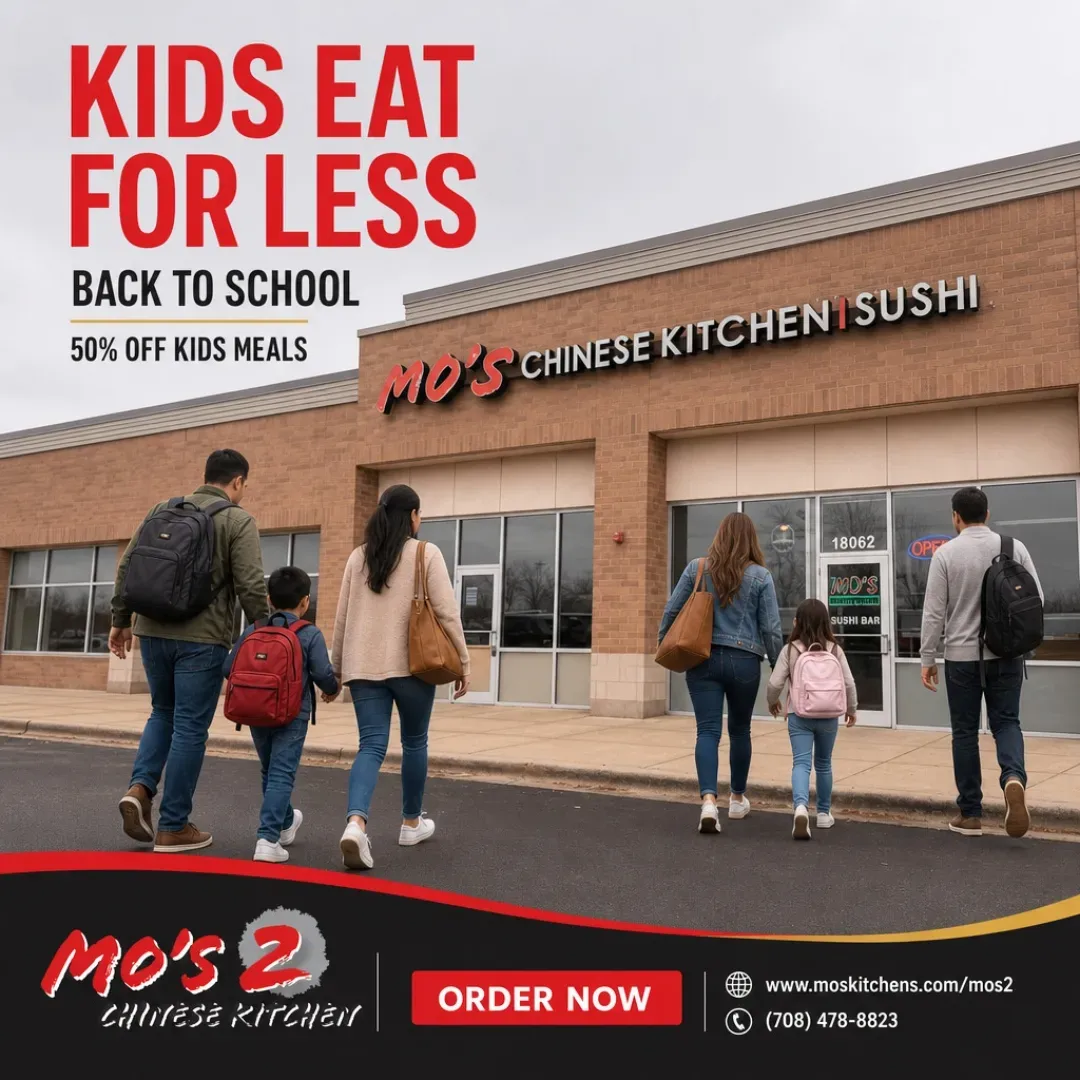
Published back-to-school creative: a family-focused offer tied to a seasonal moment.
These graphics are examples of past promotions, not current offers. Together, they show the work behind the posts: selecting a message, making the offer readable, maintaining the restaurant’s identity, and connecting the creative to an action.
Give the content reach with paid advertising
Organic content and paid advertising served complementary purposes. Consistent posts gave the restaurant an ongoing presence. Paid campaigns added distribution with specific objectives, including growing the Facebook audience and generating website traffic.
The supplied advertising screenshot shows separate campaigns for page likes and website visitors. That distinction matters: building an audience and driving traffic are different jobs, and they should be assessed against the action each campaign was designed to encourage.
One website-traffic campaign recorded 747 link clicks from $94.20 in ad spend—approximately $0.13 per link click. It also recorded 18,725 reach. The case-study brief identifies online ordering as the destination.
That is a concrete traffic outcome: people took a step beyond viewing the content. It is not a count of completed orders, but it shows the role paid distribution played in moving attention toward the restaurant’s ordering experience.
What the reporting shows
The Facebook reporting screenshot captures activity across the page, rather than the results of a single post. It shows:
- Views
- 286.9K
- Viewers
- 76.4K
- Facebook visits
- 10.7K
- Facebook link clicks
- 8.1K
- Facebook follows
- 1.5K
- Content interactions
- 1.3K
Each measure answers a different question. Views and viewers show visibility. Facebook visits and link clicks show people exploring further. Follows show audience growth, while interactions show people engaging with the content.
The overall picture is a social presence that attracted attention, built an audience, and generated measurable action—not simply a page with more posts on it.
Reporting note: Figures come from the supplied case-study brief and Facebook reporting screenshots. The screenshots do not establish a complete date range with years. Overall page totals and individual paid-campaign results are shown separately and should not be added together. The 8.1K figure is labeled “Facebook link clicks”; its destinations are not broken out. These totals are not attributed to the two example posts above, and no completed-order or revenue data was supplied. The approximately $0.13 cost per link click is calculated as $94.20 ÷ 747.
What this means for another restaurant owner
The lesson is not that every restaurant needs the same offer or should expect the same numbers. It is that content, promotions, and distribution work better as parts of a coordinated plan.
For Mo’s, BuzzFlow’s contribution connected the restaurant’s food and offers with the work of making them visible: consistent content, professional promotional design, and paid campaigns built around specific actions. That gave prospective customers more ways to discover the restaurant and a clearer path to explore it further.
If your restaurant has food worth showing and offers worth sharing, the next step is to bring them together in a marketing plan—not just another post.
Explore restaurant marketing with BuzzFlow, or book a free strategy call to discuss your business.